
Kids
Showing all 4 resultsSorted by latest
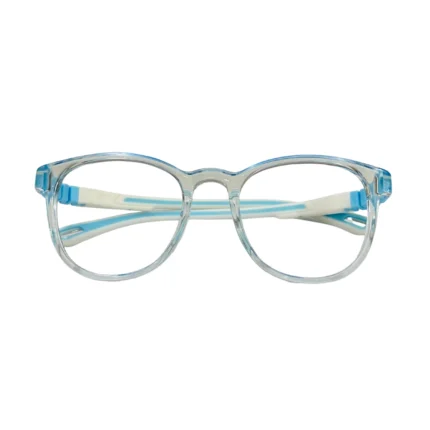
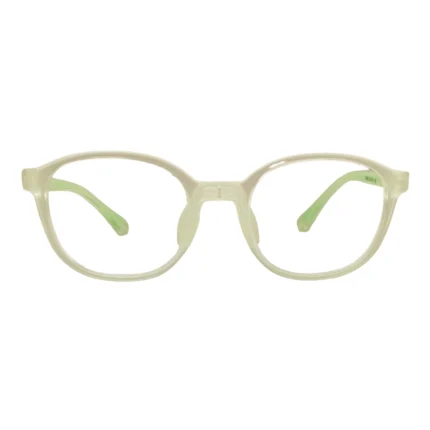
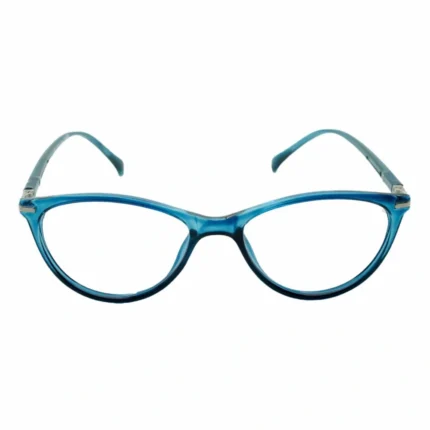
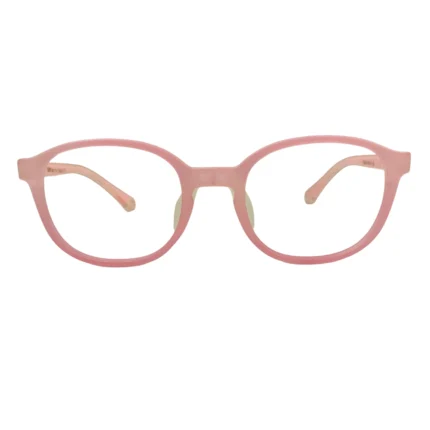
Kids Eyeglasses Online India – A Parent's Complete Guide
Buying eyeglasses for children is a different challenge from buying them for yourself. The stakes are higher — children's eyes are still developing, the frames need to survive rough daily use, and getting the fit right matters more than it does for adults. This guide covers everything parents should know before buying kids' eyeglasses online.
When Do Children Need Eyeglasses?
Children often can't articulate vision problems clearly. Common signs that a child may need glasses include squinting at the board at school, sitting too close to the television, frequent headaches (especially after reading), or rubbing their eyes often. If any of these sound familiar, an eye examination from a paediatric ophthalmologist or optometrist is the right first step before buying frames.
Most children's vision conditions — myopia (nearsightedness), hyperopia (farsightedness), and astigmatism — are easily corrected with prescription lenses. The earlier these are addressed, the better the long-term outcomes for the child's visual development.
What Makes a Good Kids' Frame?
Children's frames need to meet a different standard than adult frames. The key qualities to prioritise are flexibility, durability, and fit.
Flexibility matters because children are physically active and frames that can't flex will break. ChashmaLab's kids' frames are made from TR90 — the same flexible thermoplastic used in professional sports eyewear. TR90 frames can be twisted and bent without snapping, and they spring back to their original shape. This is important for children who are rough on their belongings.
The fit for children is determined by a combination of frame width, bridge size, and temple length. Children's frames are sized differently from adults — a typical 6–10 year old needs a frame width of around 120mm–130mm, while older children (10–14) are closer to adult sizing at 125mm–135mm. Frames that are too wide will slide down the nose constantly; frames that are too narrow will press uncomfortably at the temples.
Nose pads are another consideration. Many kids' frames use adjustable silicone nose pads, which allow for a more customised fit and are gentler on the skin. Fixed nose bridges are simpler but less adjustable.
Lens Options for Children
We strongly recommend polycarbonate lenses for all children's eyeglasses. Polycarbonate is significantly more impact-resistant than standard plastic lenses and provides built-in UV protection. It's the material of choice for children's and sports eyewear globally. Anti-scratch coating is also worth adding — children are far harder on lenses than adults.
How to Help Your Child Feel Good About Wearing Glasses
Many children, particularly in the 6–12 age group, feel self-conscious about wearing glasses. Involving them in the frame selection process helps enormously. When children choose a frame they actually like — a colour or style they're excited about — compliance with wearing them improves dramatically. ChashmaLab's kids' collection includes a range of colours and styles specifically designed to appeal to children, not just to be practical.